Remodeling a bathroom can feel confusing. What will it cost? How long will it take? Which upgrades matter most? If you’re staring at tile samples and YouTube videos, this guide is for you.
Here’s the short answer: set a realistic budget, decide on your must-haves, and establish a clear plan before demolition. Most standard bathroom remodels take 2–4 weeks to complete once work begins. Focus your money on waterproofing, ventilation, and fixtures that save water. Obtain 2–3 quotes, request a written scope, and verify permits and warranties.
In this article, we’ll walk you through costs, timelines, materials, and smart upgrades. I’ll also share quick tips, common mistakes to avoid, and move forward with confidence.
How much does a bathroom remodel cost?
Costs vary by size, finishes, and any layout changes. A simple “pull-and-replace” (keeping the layout the same) is the most budget-friendly.
Fact: Labor often makes up 40–60% of the total. Good planning reduces costly change orders.
Quick Ranges (typical 5′ x 8′ hall bath)
- Basic refresh (keep layout): $6,000–$12,000
- Mid-range remodel: $12,000–$25,000
- High-finish or layout change: $25,000–$45,000+
Quick Tip: Ask for a line-item estimate: demo, plumbing, electrical, tile, fixtures, paint, and cleanup.
How long will it take?
Most projects are completed 2–4 weeks after the materials arrive. Add lead time for ordering and permits.
Info: A realistic schedule depends on material availability and inspector timing. Delays often come from special-order tile, custom glass, or surprise repairs behind walls.
Typical timeline
- Planning & selections: 1–3 weeks
- Ordering & permits: 1–4 weeks
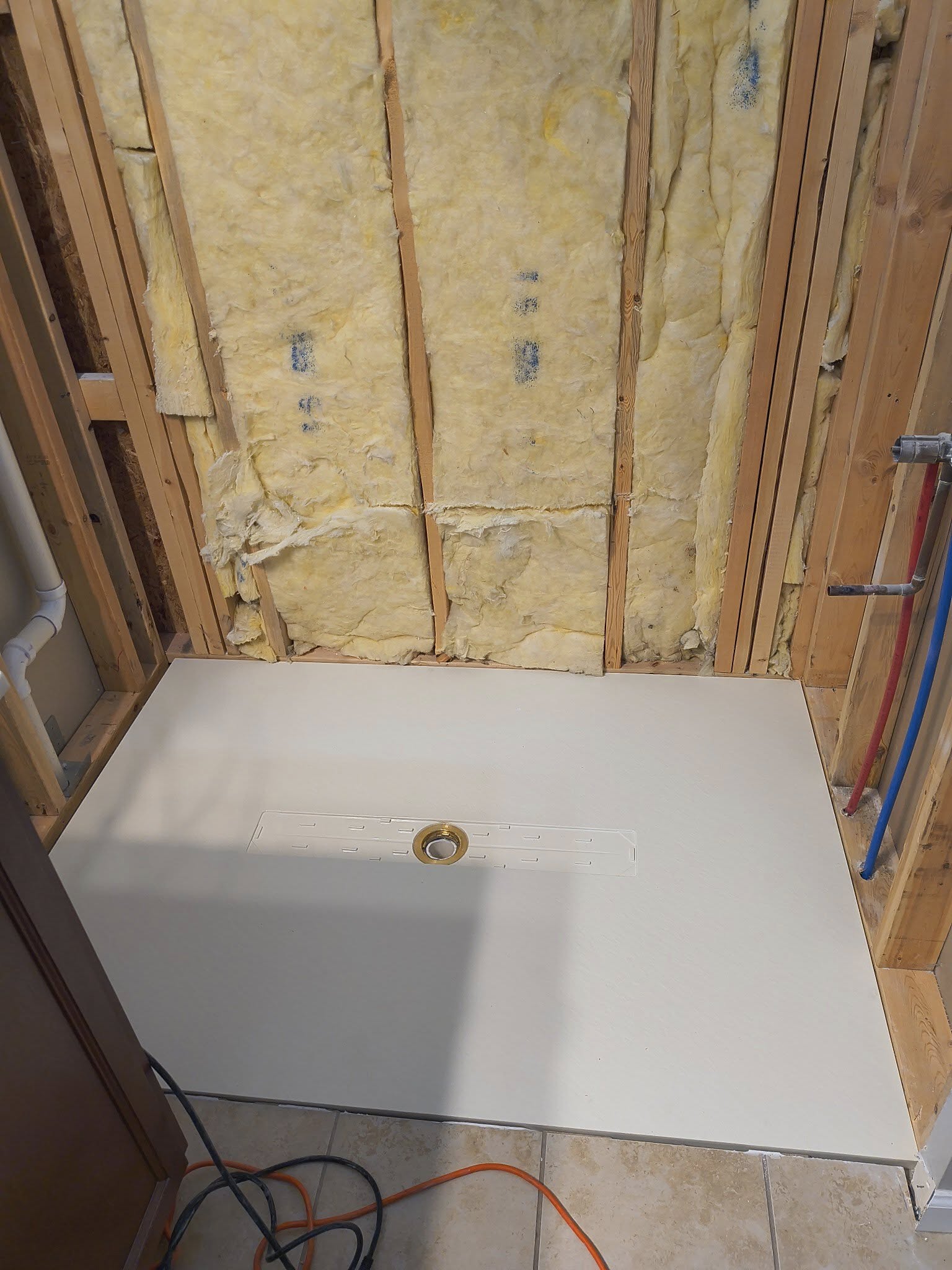
- Demo to rough-in: 3–5 days
- Tile & waterproofing: 3–7 days
- Fixtures, paint, glass: 3–5 days
Where should I spend vs. save?
Put your budget where it protects the space and gets used daily.
Spend here (worth it):
- Quality waterproofing (shower pan/membrane)
- Proper ventilation (quiet, rated exhaust fan)
- Reliable valve, toilet, and faucet
- Slip-resistant tile or textured shower floor
- Good lighting (ceiling + vanity)
Save here (if needed):
- Keep the layout the same
- Use a stock vanity with a solid surface top
- Choose classic, in-stock tile
- A two-function shower instead of many jets
Suggestion: If funds are tight, consider completing phase 1 (waterproofing and fixtures) now and plan phase 2 (glass upgrade or niche lighting) for later.
What materials are easiest to maintain?
Select materials that are easy to clean and resistant to moisture.
Simple material picks
| Area | Good, low-maintenance choice |
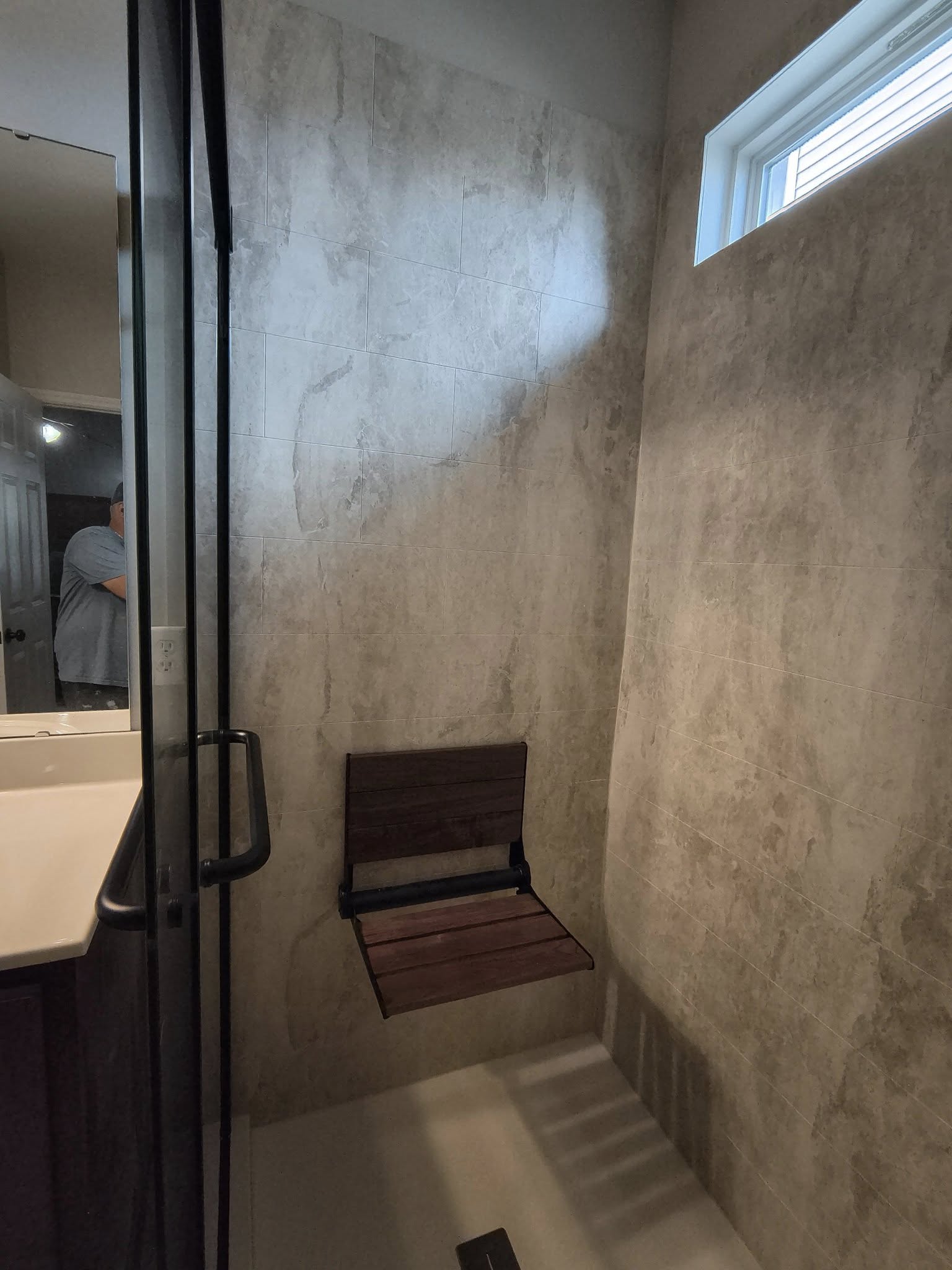
| Shower walls | Large-format porcelain tile (fewer grout lines) |
| Shower floor | Small porcelain mosaics with texture for grip |
| Vanity top | Quartz or solid surface (stain-resistant) |
| Flooring | Porcelain tile or LVP rated for wet areas |
| Grout | Epoxy or high-performance grout (stain-resistant) |
Warning: Polished stone may look nice, but it can etch and stain. If you choose to do so, seal it and use pH-neutral cleaners.
Do I need a permit?
If you’re moving plumbing, changing electrical components, or altering walls, you typically need one. A pull-and-replace with no layout changes may not, but rules vary by city.
- Check your city website or call the building department.
- Ask your contractor to pull the permit when required.
- Keep final inspection records for resale.
How do I prevent mold and moisture problems?
Moisture control is key. Skipping waterproofing or using the wrong backer board in the shower can cause hidden damage and health risks.
Do this:
- Use a full shower membrane (sheet or liquid) behind tile.
- Install a fan rated for your room size (CFM) with a humidity sensor.
- Run the fan during showers and for 20 minutes after.
- Fix grout and caulk gaps quickly.
- Learn safe cleanup tips from the CDC mold guidance.
Which upgrades actually add value?
Buyers and appraisers like clean, durable, water-smart updates.
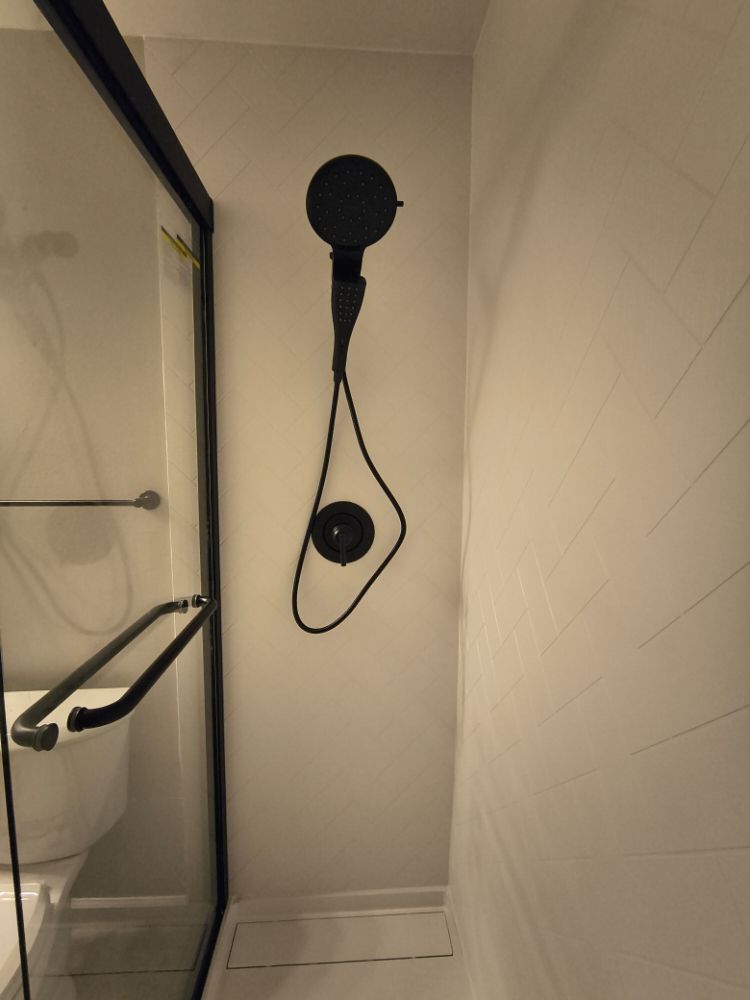
- WaterSense-labeled toilet and showerhead
- Bright, even lighting and anti-fog mirror
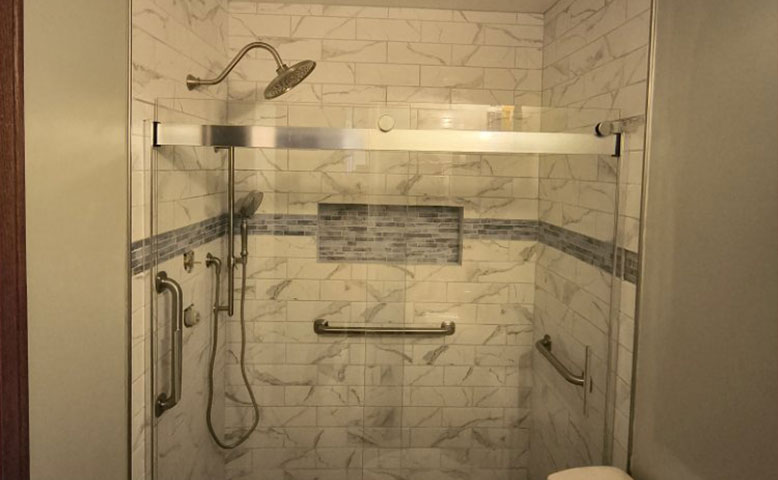
- Walk-in shower with low curb or curbless entry
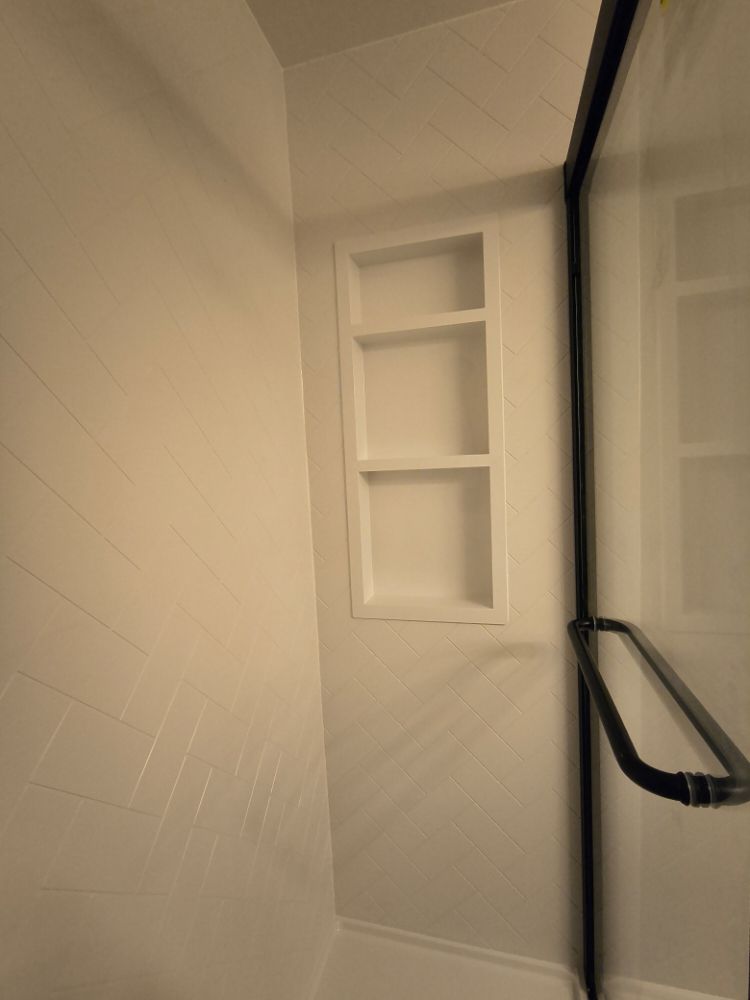
- Extra storage (recessed niche, mirrored cabinet)
- Heated floor in cold climates
Should I do it myself or hire a pro?
DIY can work for paint, hardware, and simple vanity swaps. Licensed professionals are better equipped to handle showers, plumbing, and electrical work.
Hire a professional when moving plumbing, building a shower, upgrading circuits, or if the project requires permits or inspections.
Quick Tip: Request a license, insurance, references, and photos of similar projects. Verify online with your state’s contractor board.
What about accessibility and safety?
Even if you don’t need it now, plan for easy use later.
- Add blocking in walls for future grab bars.
- Choose a comfort-height toilet.
- Use lever handles and slip-resistant flooring.
- Consider a wider doorway and a low-threshold shower.
- Review basics in the ADA bathroom guide for ideas.
How do I avoid common mistakes?
The biggest pitfalls include changing selections mid-project, ordering materials late, ignoring ventilation, and skipping a detailed scope.
Checklist (print this):
- Finalize every finish before demo
- Confirm lead times and order early
- Get a written scope, schedule, and payment plan
- Protect adjacent rooms from dust
- Plan where you’ll shower during work
What should be in my contract?
- Detailed scope with model numbers
- Start and target end dates
- Permit responsibility
- Payment milestones tied to progress
- Warranty details (labor + materials)
Conclusion
Remodeling a bathroom doesn’t have to be stressful. Set a clear plan, select durable materials, and hire the right professionals for plumbing, electrical, and waterproofing work. That’s how you get a space that looks good and holds up.
Budget for what you can see and what you can’t (waterproofing and ventilation), keep the layout if possible, and lock selections early. If you’d like a smooth experience with pros who handle permits and details, consider Bath Infinity for your remodel.
Frequently Asked Questions
How can I keep costs under control?
Pick everything before the demo, keep the layout, and choose in-stock items. Request a fixed-scope contract with clearly defined milestones.
Is a tub or a shower better for resale?
If you have only one bathroom, a tub can be a great help to families. If there’s already a tub elsewhere, a roomy walk-in shower is often the preferred option.
What’s the best grout for low maintenance?
Epoxy or high-performance grout resists stains and needs less sealing than cement grout.
Do dimmable lights matter in a bathroom?
Yes. Bright for tasks, dim for nights. Use damp-rated fixtures and a GFCI-protected circuit.